The GPU Vendors Blog
GPU & server comparison guides, benchmarks and buying advice — pick the right hardware for AI, gaming and the data center.
The Real Cost of Downtime: Why Sourcing Readiness Beats Discounted Legacy Hardware
Discover why discounted legacy hardware creates hidden operational debt, staging bottlenecks, and missed AI revenue. Prioritize sourcing readiness via the best gpu marketplace.
A Procurement Manager Guide to Sourcing Verified Enterprise GPUs Without Long Waitlists
Discover how procurement managers can source verified enterprise GPUs quickly, avoid long waitlists, and utilize the best gpu marketplace today.

Liquid Cooling vs Air Cooling: Infrastructure Requirements for High-Density AI Data Centers
Discover how high-density AI data centers balance liquid and air cooling to manage thermal limits, improve PUE scores, and scale enterprise workloads efficiently.

Should You Buy an RTX 4070 in 2026? Price-to-Performance Verdict
Discover whether the NVIDIA RTX 4070 is still worth buying in 2026. We evaluate 1440p gaming performance, VRAM longevity, street pricing, and where to find the best hardware deals online.
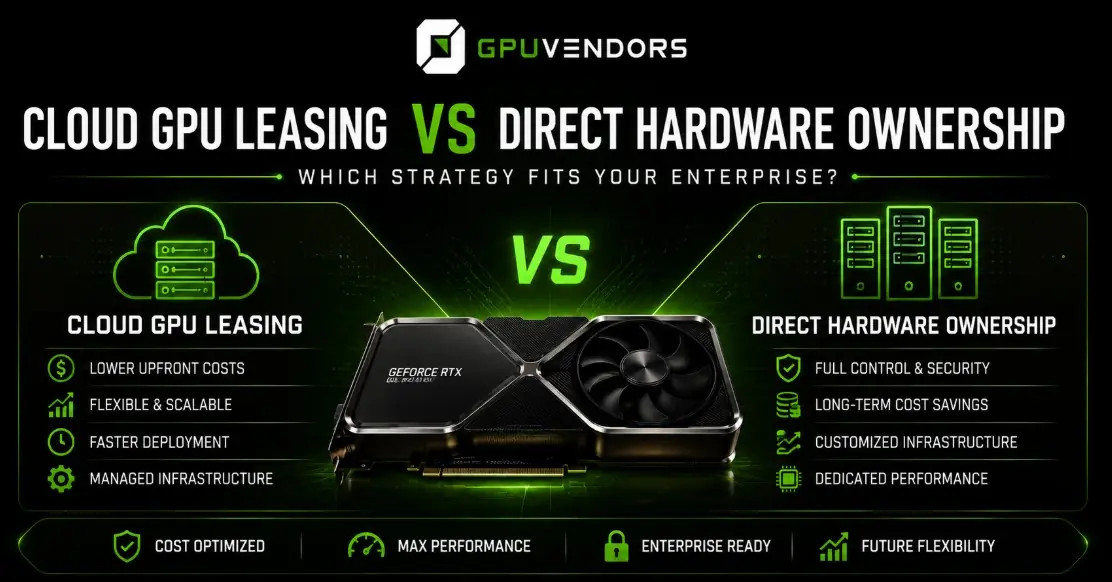
Cloud GPU Leasing vs Direct Hardware Ownership: Which Strategy Fits Your Enterprise?
Compare cloud GPU leasing and direct ownership for AI workloads. Learn how to balance capital, TCO, and scalability through the best gpu marketplace today.
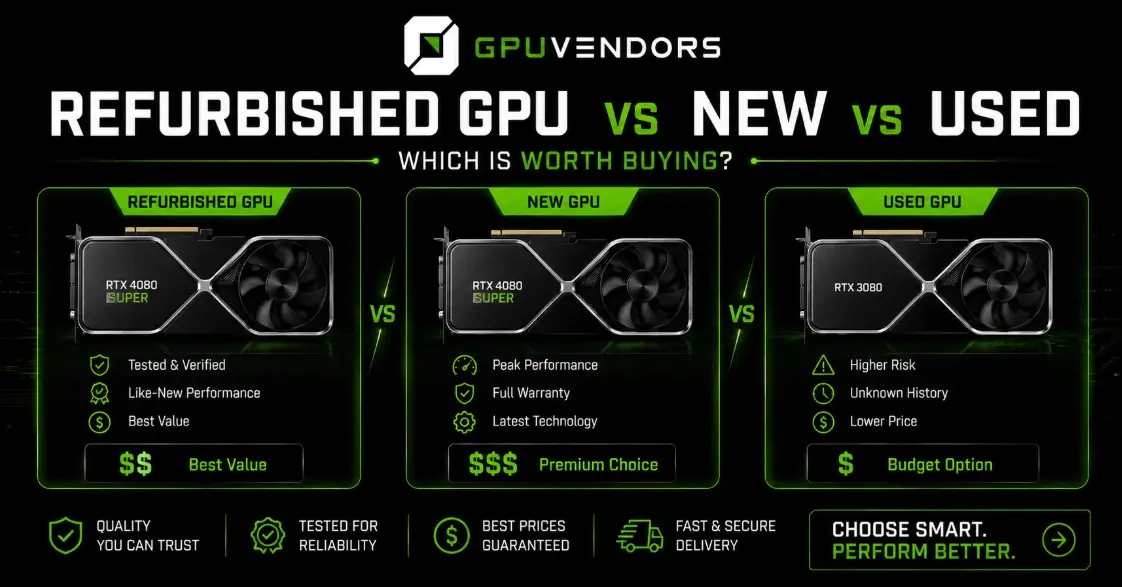
Refurbished GPU vs New vs Used: Which is Worth Buying?
Compare refurbished, new, and used GPUs to find the best value for your system. Learn the risks, warranty differences, and how to shop smartly today.
How to Choose a GPU Rental Platform: Pricing, Reliability & SLA Guide
Learn how to choose the right GPU rental platform by evaluating pricing models, hardware reliability, and service level agreements for AI workloads.
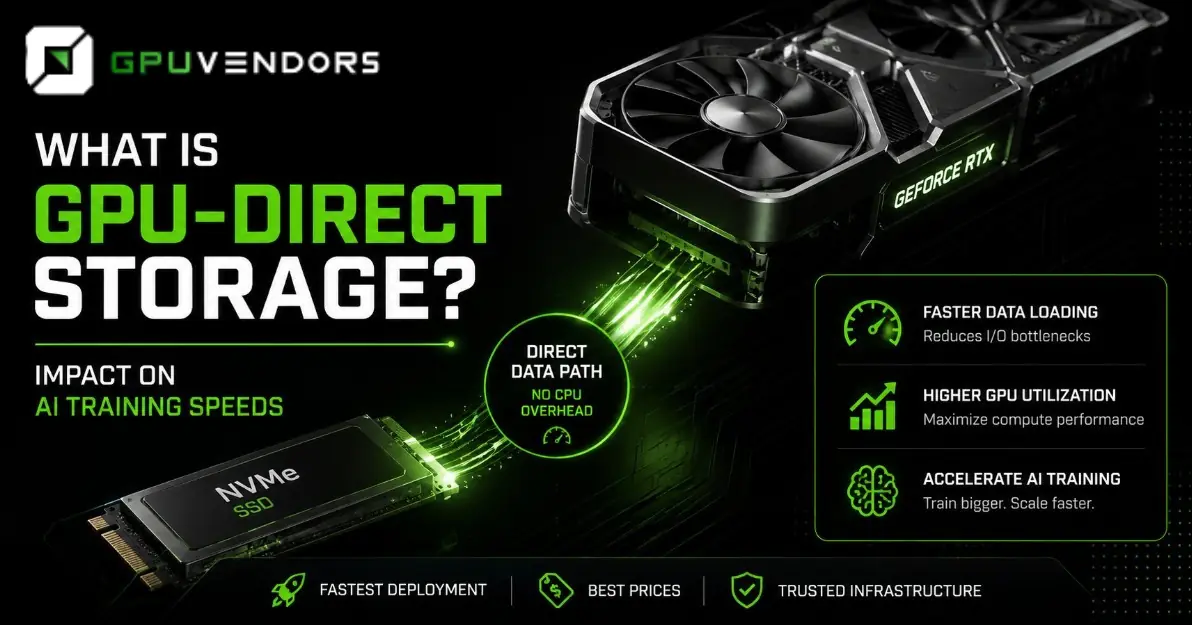
What is GPU-Direct Storage? Impact on AI Training Speeds
Discover how GPU-Direct Storage (GDS) and cuFile eliminate CPU bottlenecks to supercharge AI training speeds, and learn how to optimize your infrastructure.
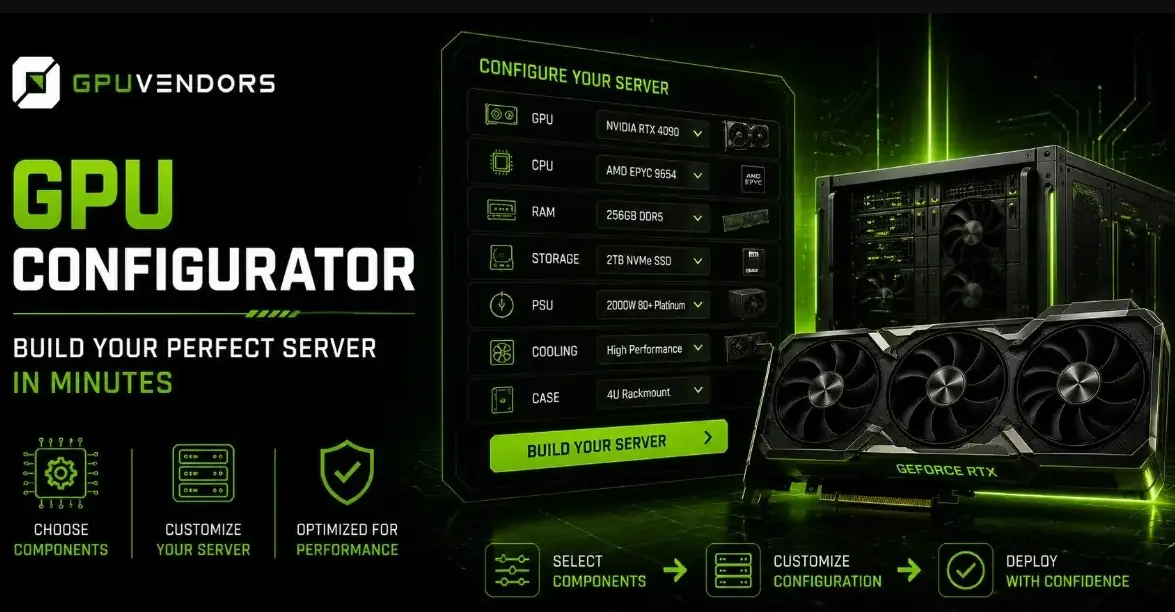
How to Use Our GPU Configurator: Build Your Perfect Server in Minutes
Learn how to build a custom server in minutes using our interactive tool. Avoid compatibility issues, streamline your hardware selection, and source verified components through the best gpu marketplace.
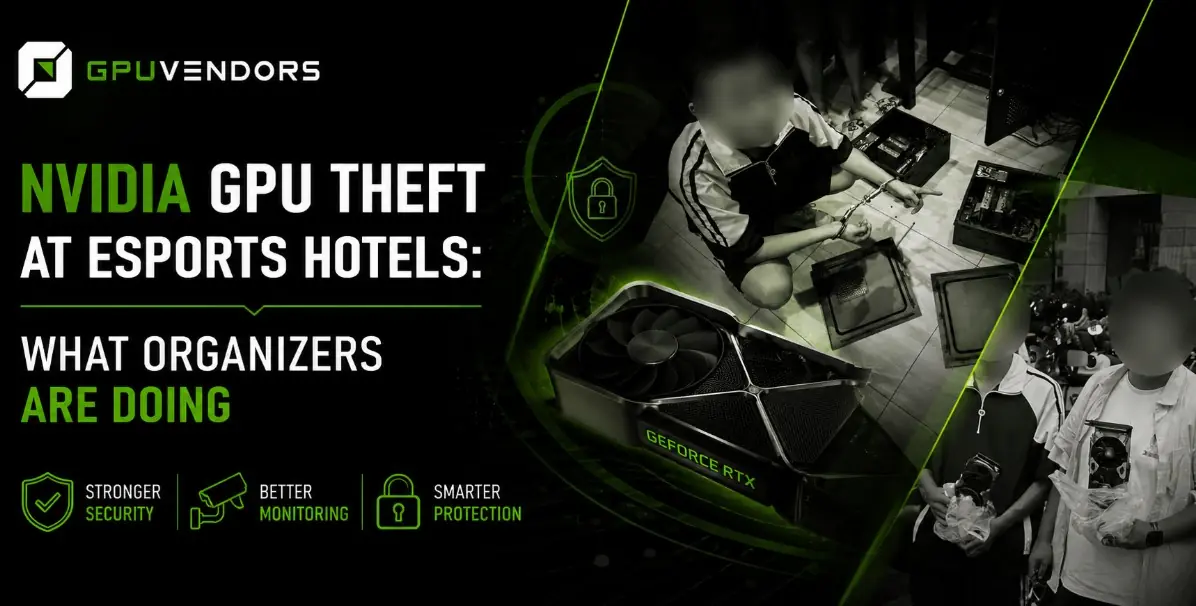
NVIDIA GPU Theft at Esports Hotels: What Organizers Are Doing
Discover how thieves pulled off a $12,000 RTX 5080 heist in Chinese gaming hotels by swapping them for RTX 3060s, and learn how venues are stepping up security.
Why 16GB VRAM is the New Baseline for Modern Gaming and Local AI
Explore why 16GB of VRAM has become the essential baseline for smooth modern 4K gaming, texture streaming, and reliable local AI model performance.
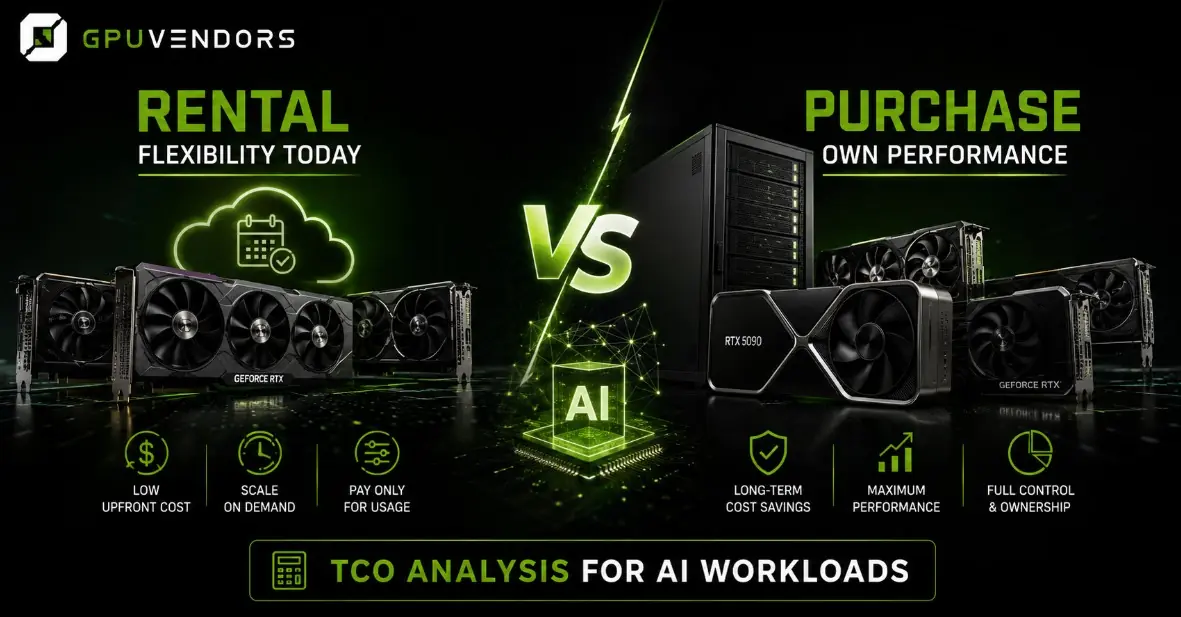
GPU Rental vs. Purchase: TCO Analysis for AI Workloads
A comprehensive Total Cost of Ownership (TCO) breakdown comparing GPU cloud rental models against outright hardware purchases for modern AI and machine learning workloads.
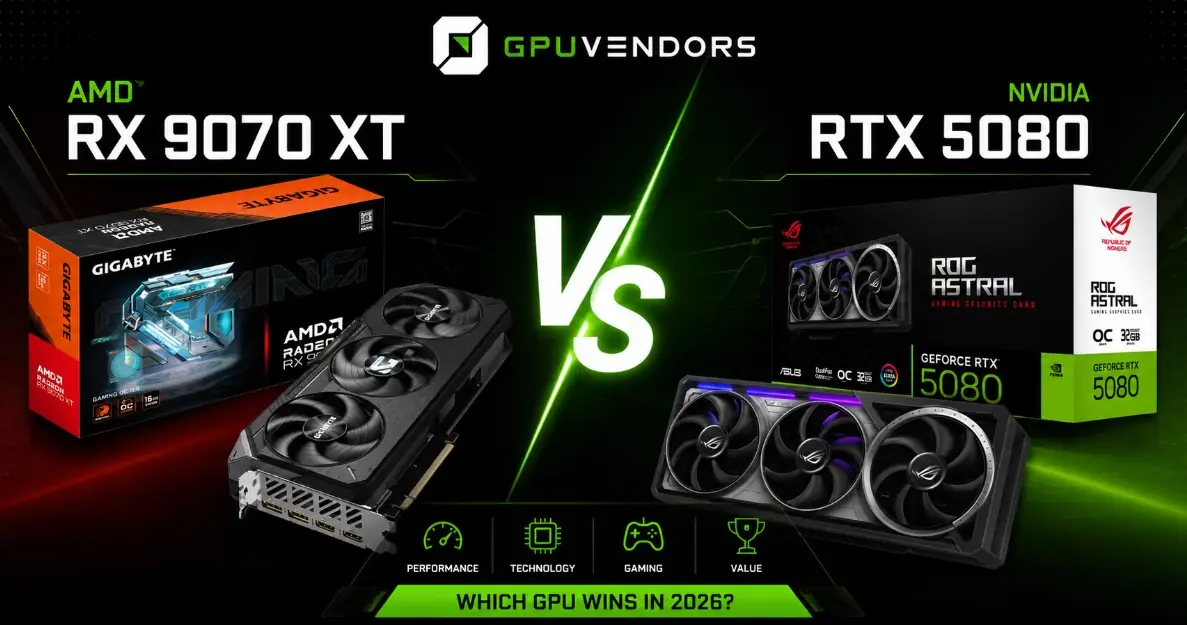
AMD RX 9070 XT vs NVIDIA RTX 5080: Which GPU Wins in 2026?
In 2026, choosing between the NVIDIA RTX 5080 and AMD RX 9070 XT comes down to raw power versus smart value. While the RTX 5080 leads in 4K ray tracing, the RX 9070 XT delivers nearly identical rasterization performance at roughly half the real-world cost. Dive into our comprehensive comparison to discover benchmark results, pricing shifts, and which card deserves a spot in your rig.
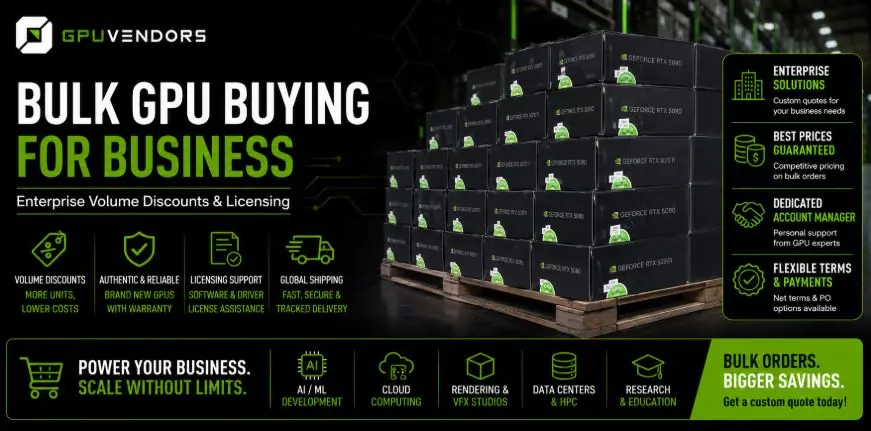
Bulk GPU Buying for Business: Enterprise Volume Discounts & Licensing
Enterprise GPU procurement involves complex tradeoffs between volume discounts, software licensing, and infrastructure costs. Learn how IT teams negotiate bulk contracts, unbundle pricing, and benchmark against live marketplace data to build AI clusters cost-effectively.
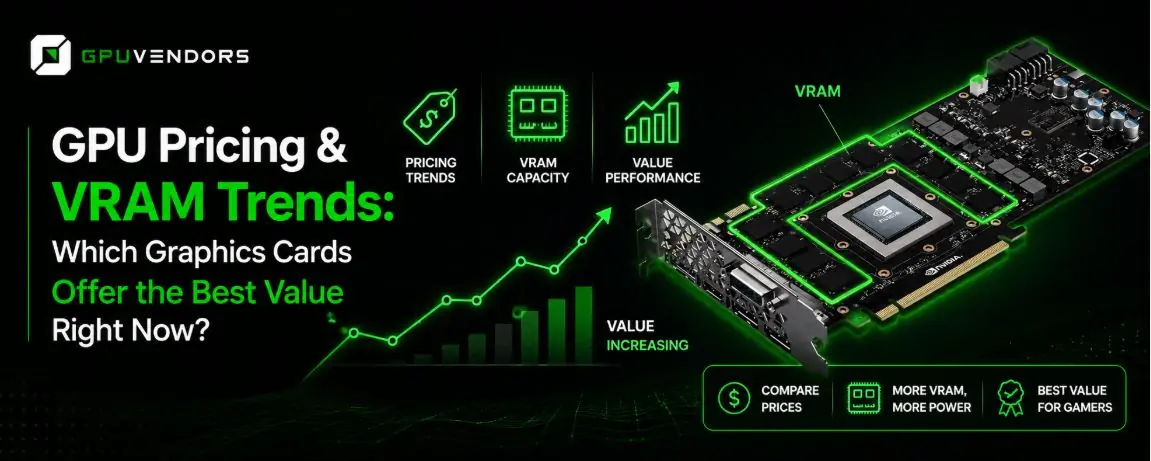
GPU Pricing & VRAM Trends: Which Graphics Cards Offer the Best Value Right Now?
Track GPU pricing, VRAM trends, and street prices to find the best-value graphics cards for gaming, AI, and content creation in 2026.
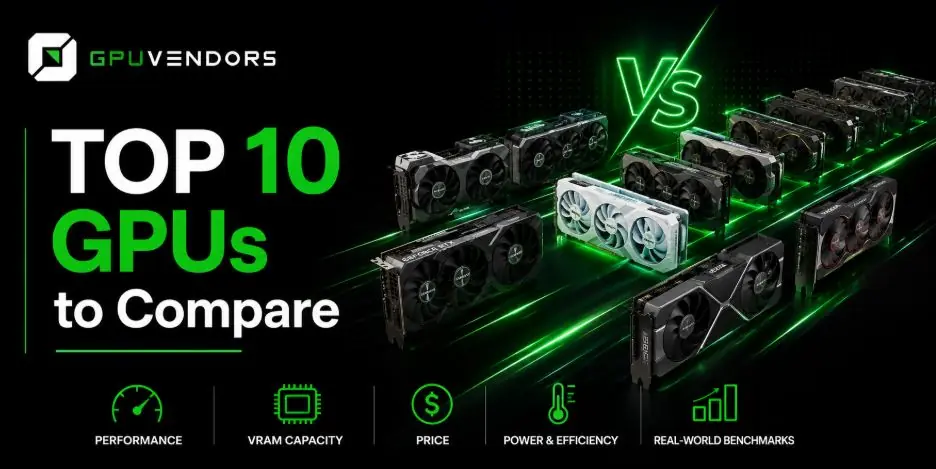
Top 10 GPUs to Compare Before Buying — Ranked by the Best GPU Marketplace
Navigating the GPU market requires checking VRAM, performance, and real street prices. Whether for 4K gaming, AI modeling, or 3D rendering, choosing wrong causes major bottlenecks. Compare the top 10 NVIDIA, AMD, and Intel GPUs ranked by value to make the smartest upgrade decision.
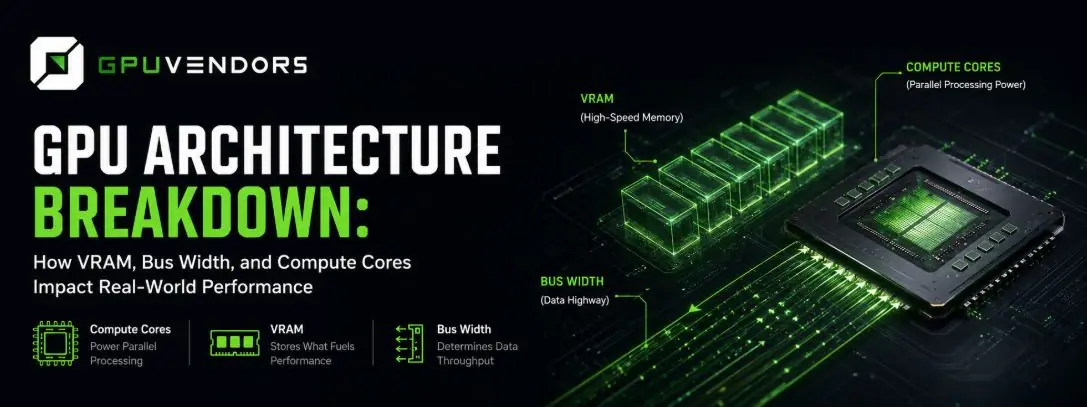
GPU Architecture Breakdown: How VRAM, Bus Width, and Compute Cores Impact Real-World Performance
VRAM capacity gets all the attention, but it's only half the story. This breakdown of GPU architecture explains why bus width, compute core types, and generational efficiency matter just as much as memory size , so you can size hardware to your actual workload instead of chasing the biggest spec on the box.
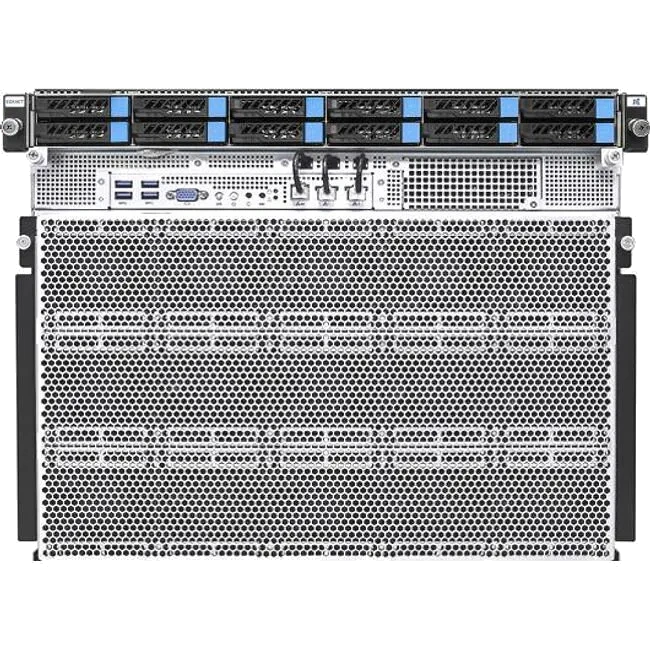
GPU Server Architecture, Bare-Metal Benchmarks & Cloud TCO: A 2026 Technical Buyer's Guide
A technical deep-dive for 2026 AI infrastructure buyers: how HGX B200/B300 and GB200/GB300 NVL72 servers are architected, what bare-metal single-tenancy actually delivers in MLPerf terms, how procurement and the HBM squeeze really work, and how to run rent-vs-buy TCO honestly.
Enterprise Sourcing: AMD Instinct vs NVIDIA GPU Fabrics
Enterprises are increasingly mixing AMD Instinct and NVIDIA GPUs in the same inference pipeline, running compute-heavy prefill on one platform and memory-bandwidth-heavy decode on another. This blog breaks down the engineering metrics behind heterogeneous GPU fabrics — HBM capacity, memory bandwidth, and KV cache transport — and explains why enterprises now buy AI and GPU servers online across vendors to unlock double-digit TCO gains.
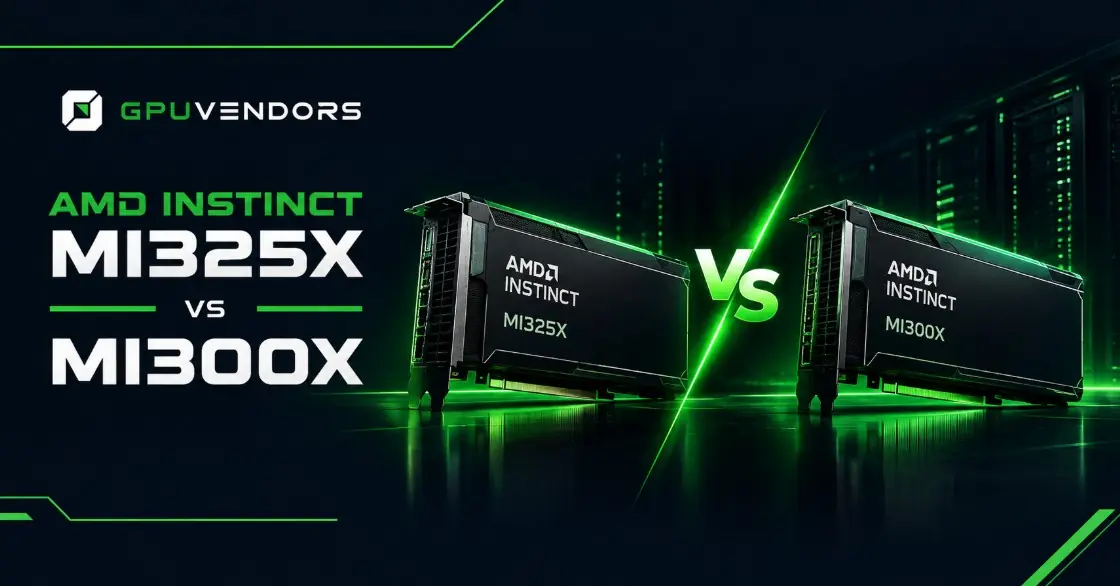
AMD Instinct MI325X vs MI300X: What Actually Changed?
AMD Instinct MI325X vs MI300X: same CDNA 3 compute, but 256GB HBM3e vs 192GB and 6 vs 5.3 TB/s. What actually changed, when 256GB matters, and how it stacks up to H200.
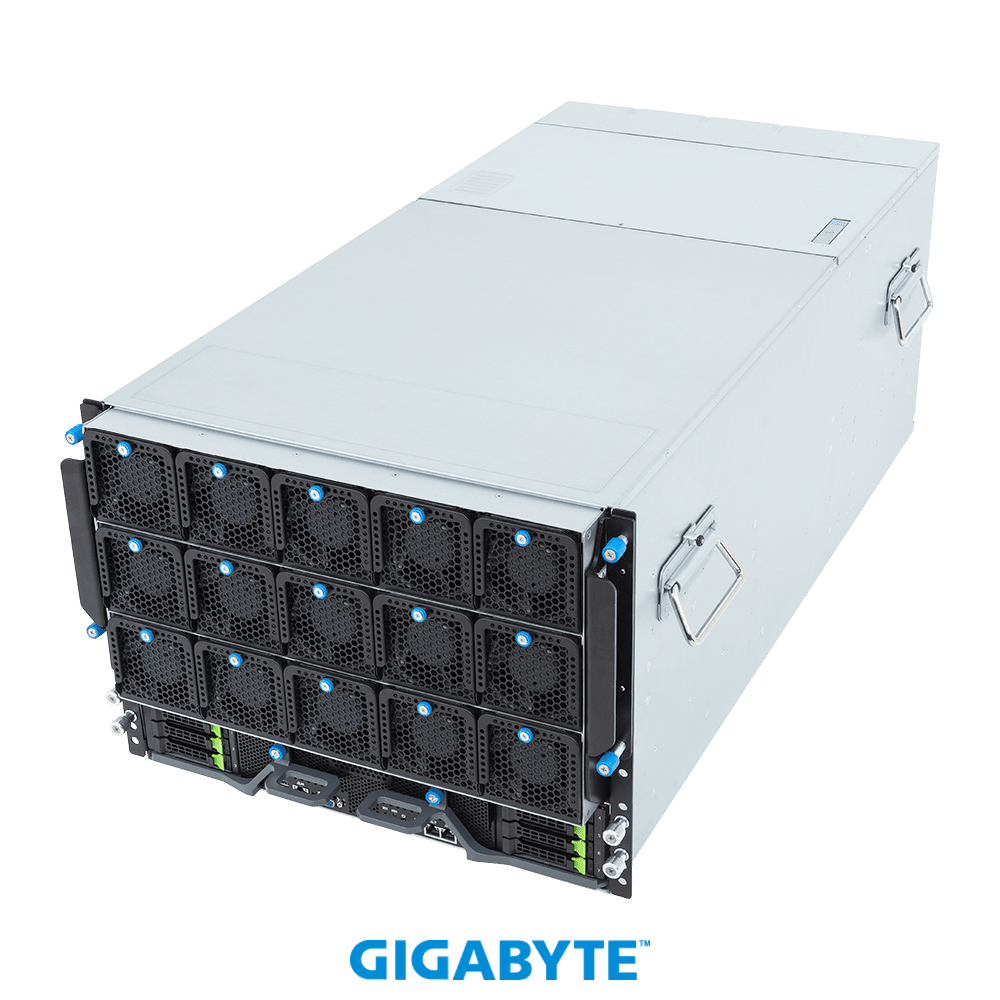
NVIDIA B200 vs H200: Which Data-Center GPU Should You Buy in 2026?
NVIDIA B200 vs H200 compared: 192GB vs 141GB HBM3e, 8 vs 4.8 TB/s, FP4 vs FP8, NVLink, power and cooling, and a clear rent-vs-buy verdict for 2026.
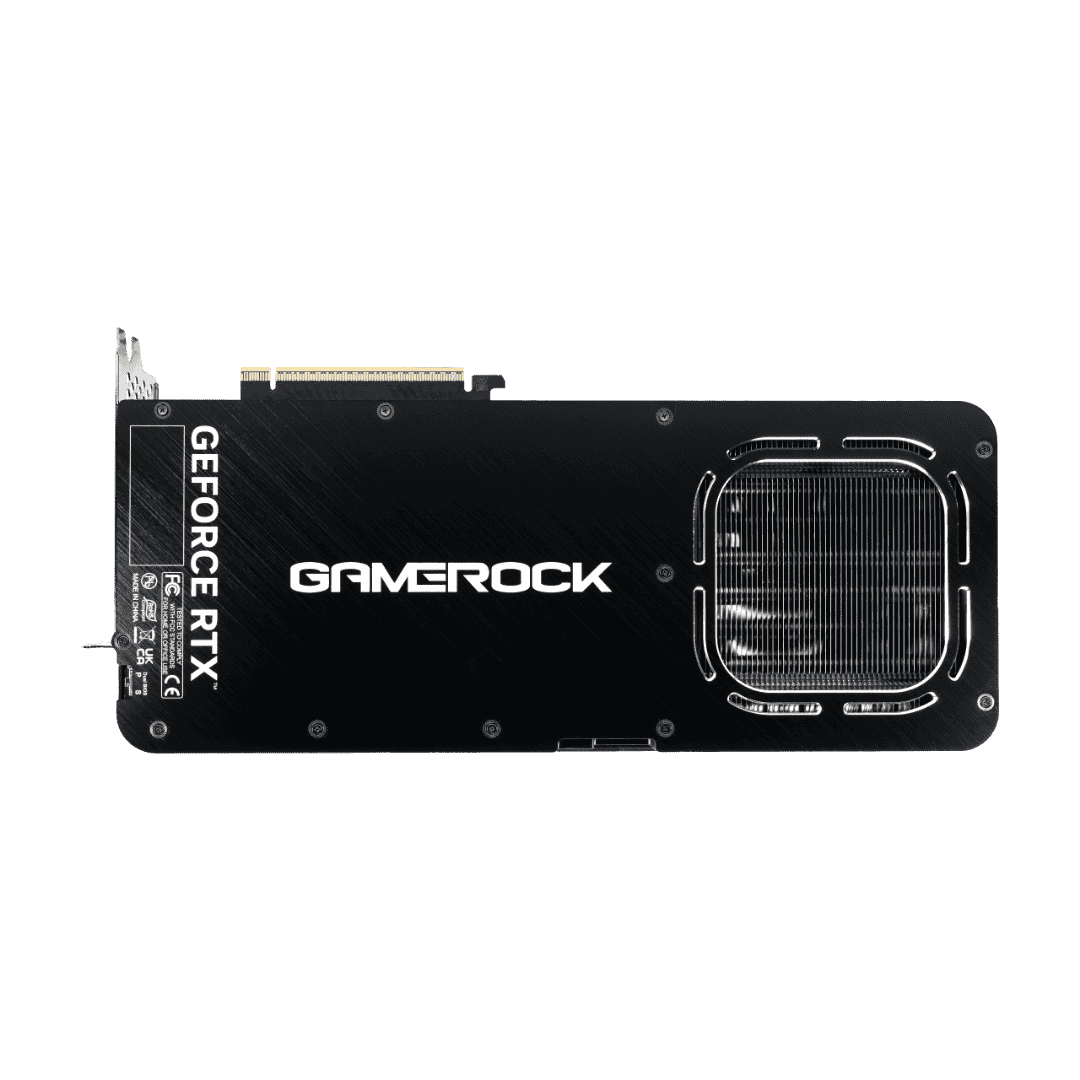
Best GPU for 4K Gaming in 2026
The best 4K gaming GPUs in 2026: RTX 5090, 5080, 5070 Ti, RX 9070 XT and RTX 4090 compared on VRAM, ray tracing, DLSS 4 vs FSR, power and value.
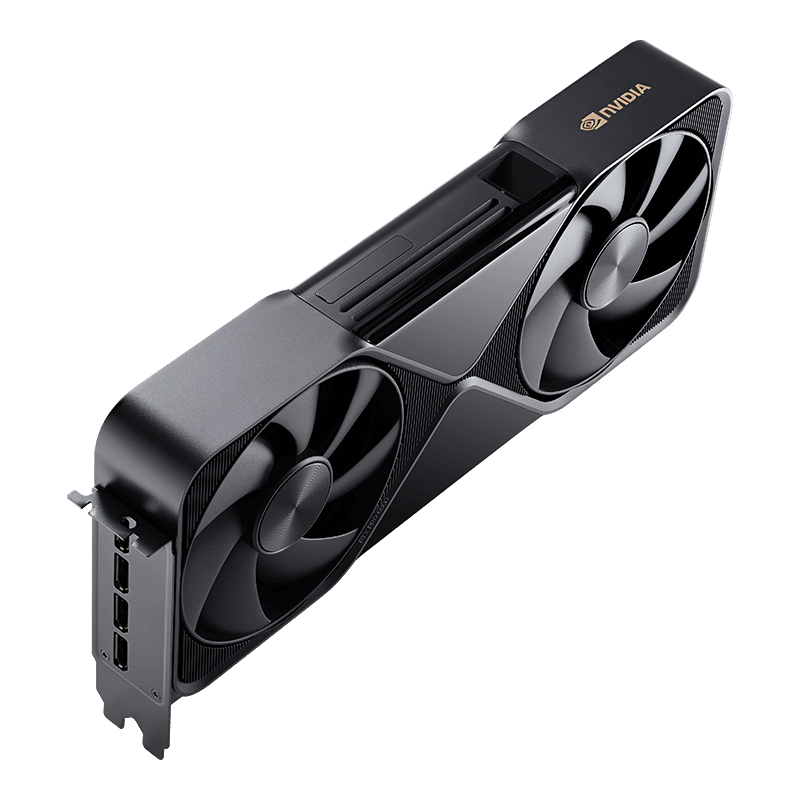
Best GPU for LLM Fine-Tuning in 2026
Fine-tuning GPUs in 2026: RTX 6000 Ada, RTX PRO 6000 Blackwell, A6000, L40S and A100 compared, plus how much VRAM full fine-tune vs LoRA vs QLoRA really need.
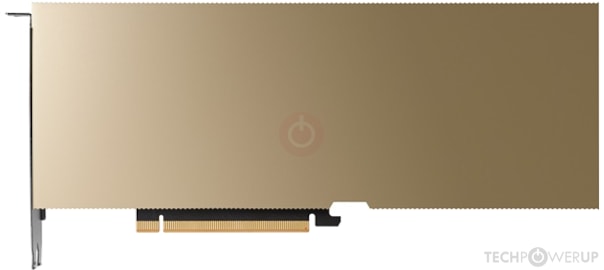
Best GPU for AI Inference in 2026
The 2026 guide to inference GPUs: L4, A10, L40S, H200, B200 and MI300X compared on memory, bandwidth, FP8/FP4 quantization, latency vs throughput and cost per token.
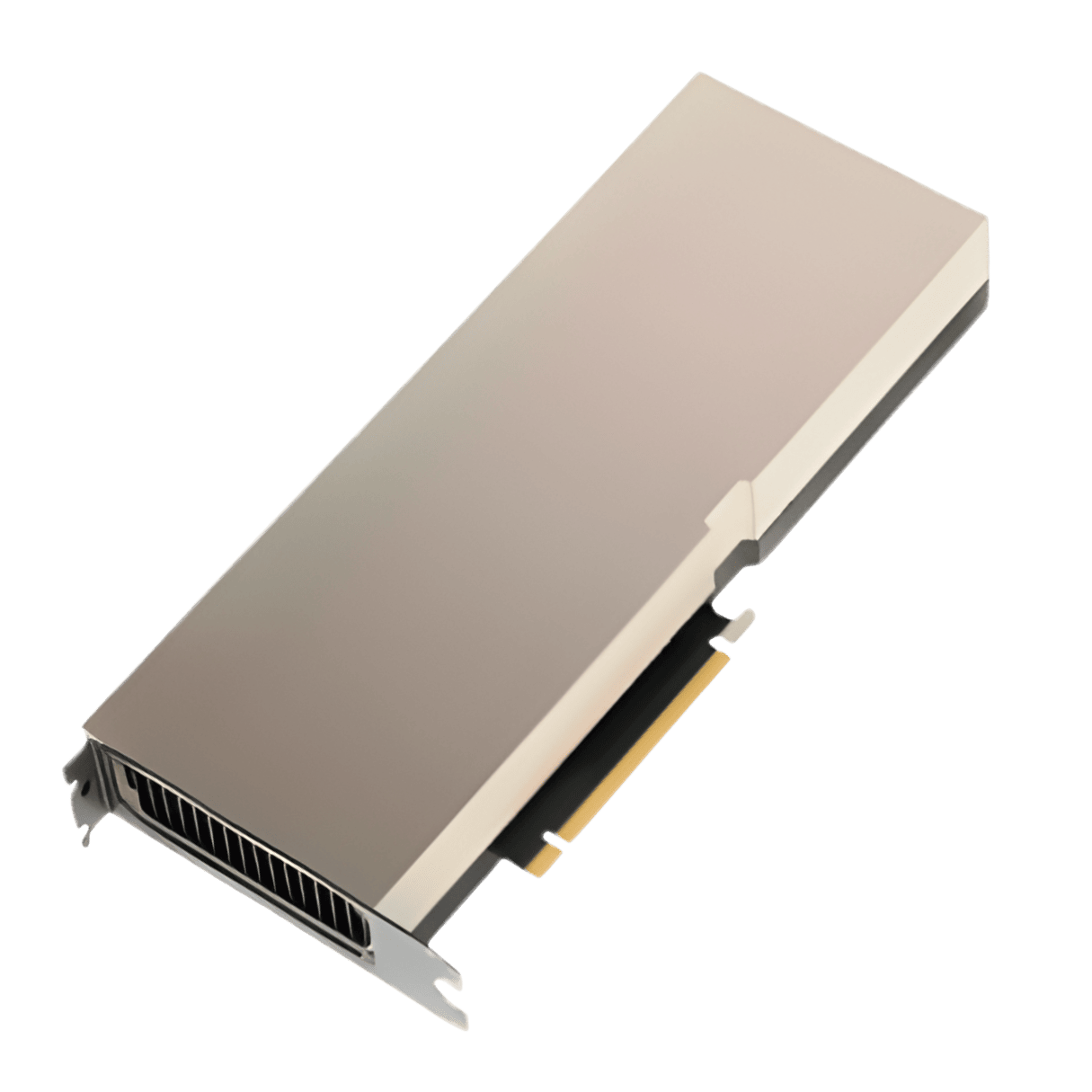
Best GPU for AI Training in 2026
A 2026 buyer's guide to data-center training GPUs: H100, H200, B200 and AMD MI300X, MI325X compared on memory, bandwidth, FP8/FP4 compute, NVLink scaling and cost.
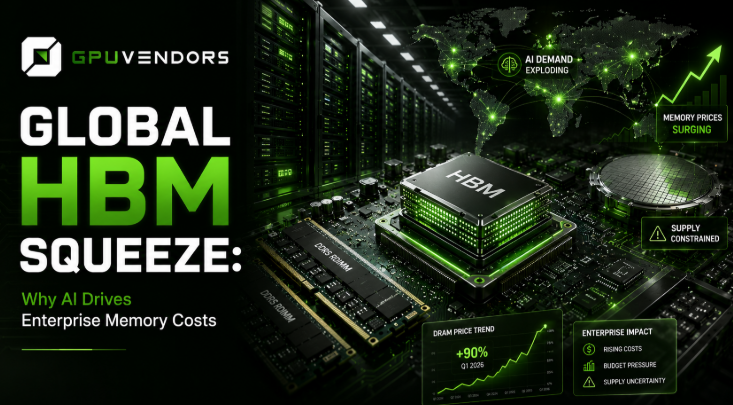
Global HBM Squeeze: Why AI Drives Enterprise Memory Costs
The Global HBM Squeeze is driving record DRAM price hikes in 2026, with TrendForce reporting 90–95% quarterly increases in conventional memory costs. Learn what's fueling the shortage, how it's straining enterprise server procurement budgets, and what IT teams can do to protect their hardware refresh plans before prices climb further.
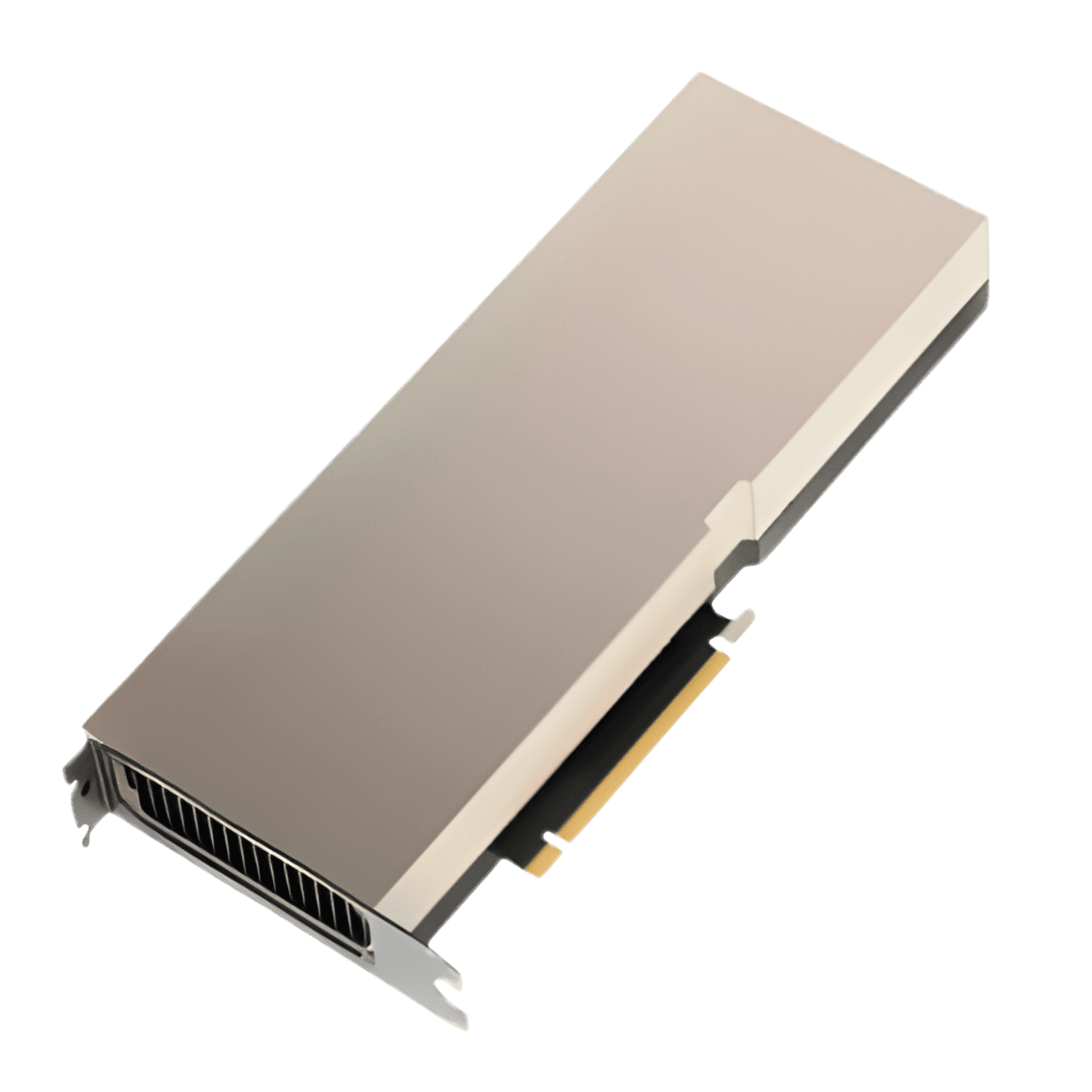
Renting vs Buying an H100 in 2026: A GPU Cloud Cost Breakdown
Should you rent H100 capacity by the hour or buy outright? We break down the break-even math, utilisation and hidden costs.
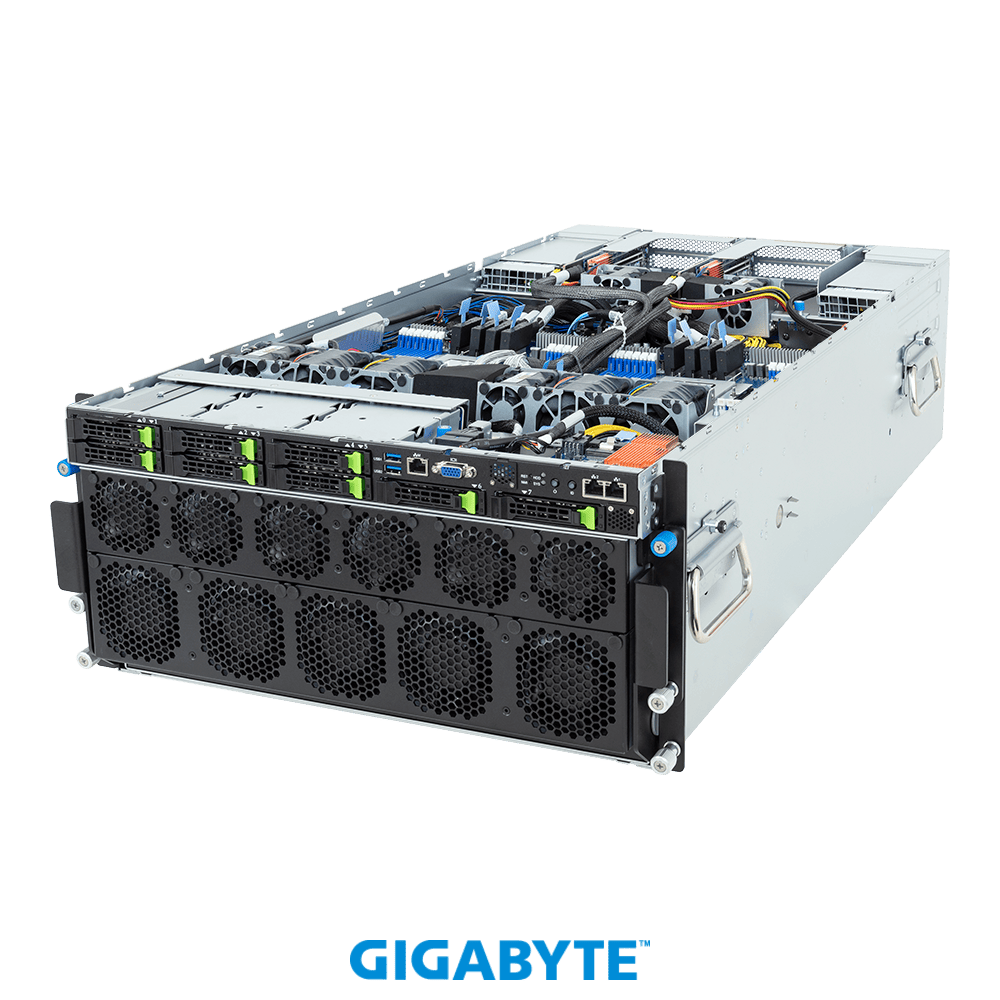
Supermicro vs GIGABYTE HGX H200 Servers: Choosing Your 8-GPU Platform
Both OEMs build excellent HGX H200 8-GPU systems. We compare form factors, cooling and networking to help you choose.
HGX B300 vs HGX B200: How Much More Does Blackwell Ultra Deliver?
HGX B300 (Blackwell Ultra) pushes memory per system even higher than B200. We compare the two 8-GPU AI platforms.
HGX B200 vs HGX H200 Servers: Blackwell vs Hopper for AI Training
8-GPU HGX B200 systems bring Blackwell’s huge leap in memory and NVLink bandwidth over HGX H200. Here is how the platforms compare.
RTX PRO 6000 Blackwell vs RTX 5090 for Local AI: 96GB Pro vs 32GB Consumer
Both are Blackwell, but one is a 96GB ECC workstation card and the other a 32GB consumer flagship. Which is better for local LLMs?
NVIDIA L40S vs A100: The Best GPU for AI Inference and Visual Computing?
The L40S (Ada) is a versatile inference and graphics GPU; the A100 (Ampere) is a training workhorse. We compare them for inference-first deployments.
RTX PRO 6000 vs RTX PRO 5000 Blackwell: Which Pro Blackwell Fits Your Workload?
Both are Blackwell pro cards with GDDR7 and FP4. The difference is scale - 96GB vs 48GB. Here is how to choose.
NVIDIA H100 vs A100: Should You Still Buy Ampere in 2026?
The H100 (Hopper) brings FP8 and the Transformer Engine; the A100 (Ampere) is cheaper and widely available. We compare them for training and inference.
RTX PRO 6000 Blackwell vs RTX 6000 Ada: 96GB Changes the Workstation Game
The RTX PRO 6000 Blackwell doubles VRAM to 96GB GDDR7 and adds FP4. Here is how it compares with the RTX 6000 Ada for pro and AI work.
NVIDIA H200 vs H100: The Memory Upgrade That Doubles LLM Inference
The H200 keeps Hopper compute but adds 141GB of HBM3e at 4.8 TB/s. For large-model inference, that changes everything.
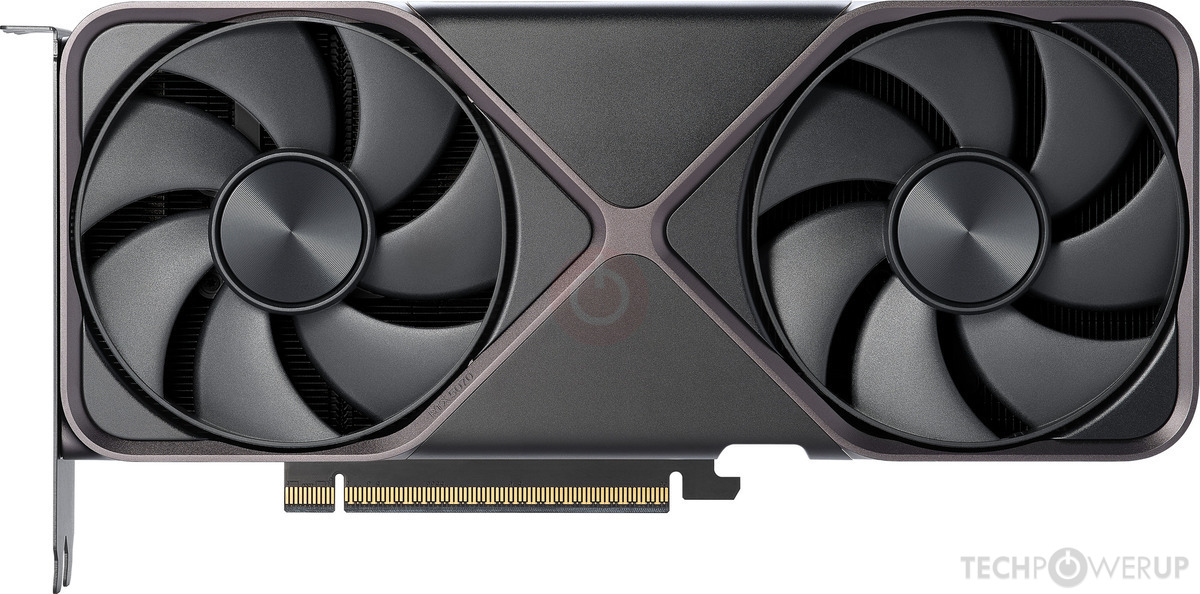
AMD RX 9070 XT vs NVIDIA RTX 5070 Ti: Raster Value vs DLSS 4
AMD’s RDNA 4 flagship takes on NVIDIA’s RTX 5070 Ti. We weigh raw raster and price against ray tracing and DLSS 4.
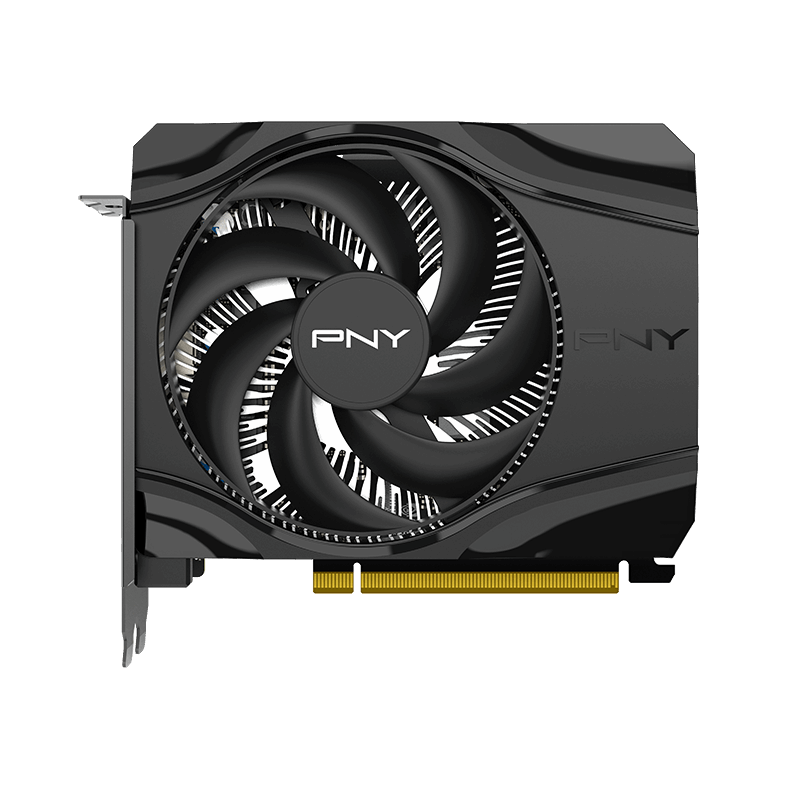
RTX 5060 Ti vs RTX 4060 Ti: The 1080p/1440p Upgrade That Finally Makes Sense
The 5060 Ti adds GDDR7 and a 16GB option. We compare it with the 4060 Ti for mainstream 1080p and 1440p gaming.
RTX 5090 vs RTX 5080: How Much Faster Is the Top Blackwell?
Both are Blackwell, but the 5090 roughly doubles the cores and VRAM of the 5080. Here is what the extra money actually buys.
RTX 5070 Ti vs RTX 4070 Ti SUPER: The Real 1440p/4K Sweet Spot
The 5070 Ti targets high-refresh 1440p and entry 4K. We compare it with the 4070 Ti SUPER on specs, value and DLSS 4.
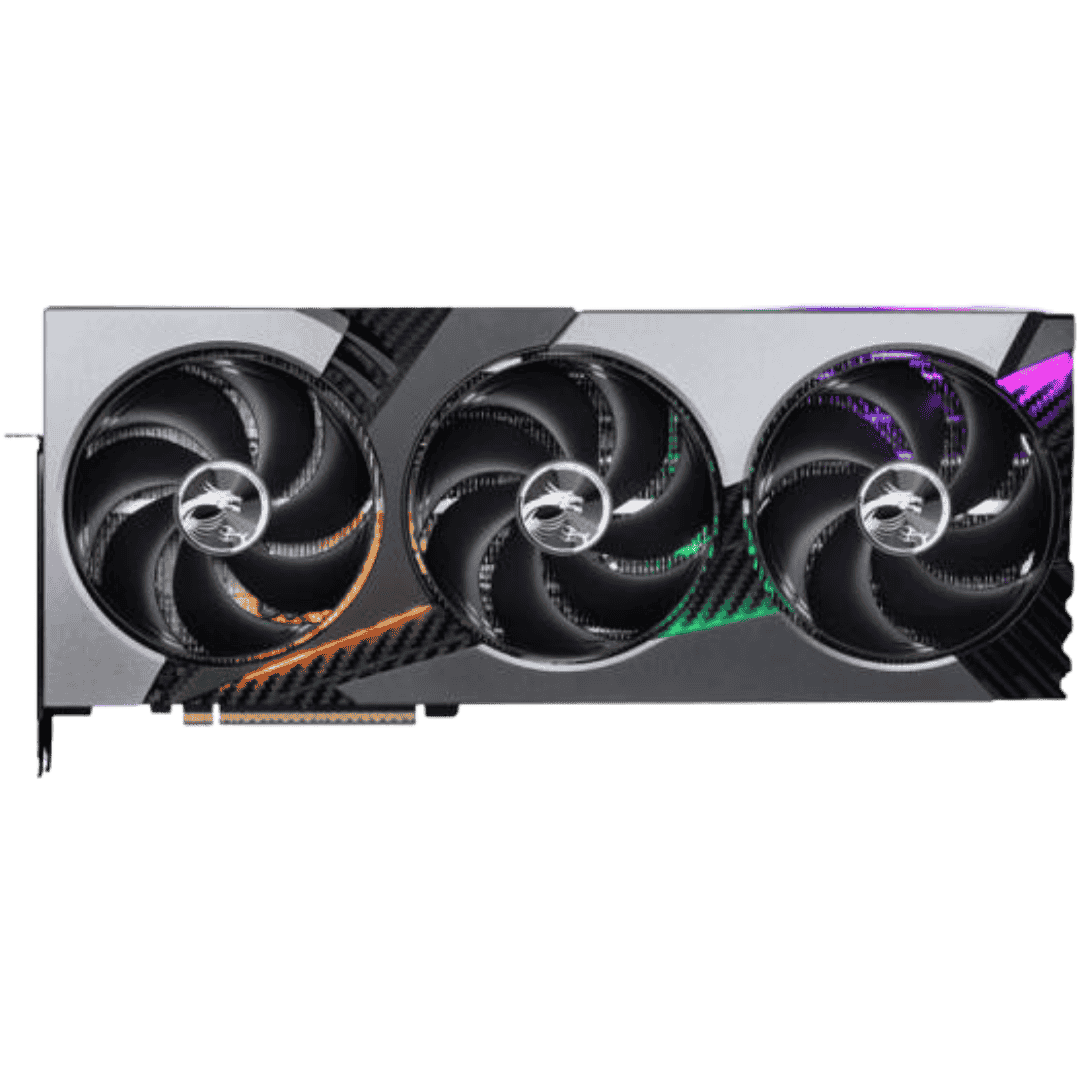
RTX 5080 vs RTX 4080 SUPER: A Generational Step or a Side-Grade?
The RTX 5080 moves to Blackwell and GDDR7 but keeps 16GB. Here is how it stacks up against the RTX 4080 SUPER for 4K gaming.
RTX 5090 vs RTX 4090: Is the Blackwell Flagship Worth the Upgrade?
The RTX 5090 brings 32GB GDDR7, 78% more bandwidth and DLSS 4 Multi Frame Generation. We break down whether it is worth upgrading from the RTX 4090.
List Your GPU/Server Store -
Earn More