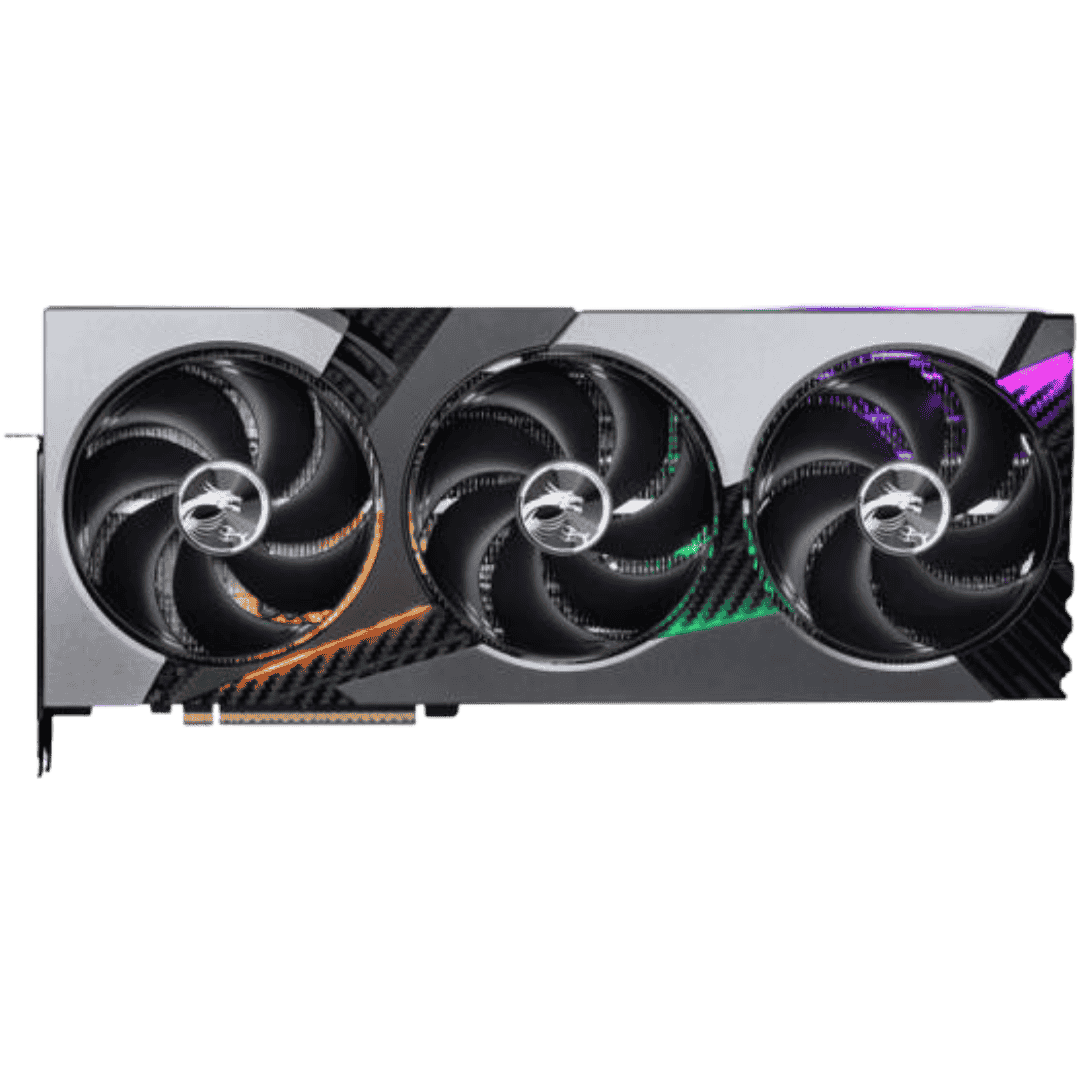
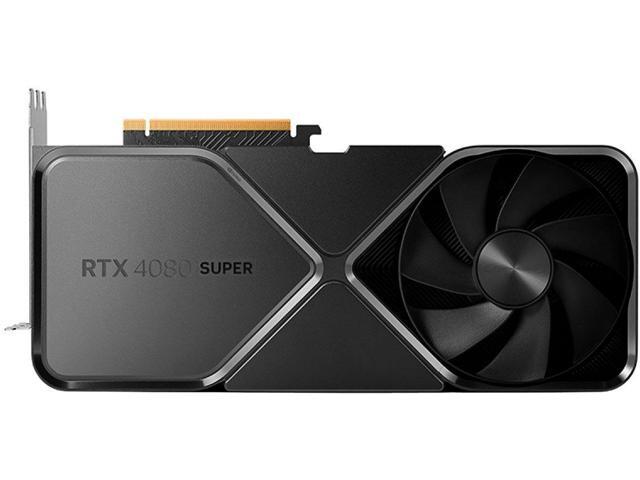
The RTX 5080 moves the 80-class to Blackwell with GDDR7 and the full DLSS 4 feature set, while the RTX 4080 SUPER was the strongest Ada 80-class card. Both pack 16GB of memory, so the contest comes down to bandwidth, features and price.
We compare them across 4K gaming, ray tracing, content creation and value to show whether the 5080 is a true generational step or a side-grade for existing owners.
Key differences at a glance
- SpecRTX 5080RTX 4080 SUPERArchitecture: RTX 5080, Blackwell; RTX 4080 SUPER, Ada Lovelace
- CUDA cores: RTX 5080, 10,752; RTX 4080 SUPER, 10,240
- Memory: RTX 5080, 16GB GDDR7; RTX 4080 SUPER, 16GB GDDR6X
- Bandwidth: RTX 5080, 960 GB/s; RTX 4080 SUPER, 736 GB/s
- TDP: RTX 5080, 360W; RTX 4080 SUPER, 320W
- DLSS: RTX 5080, DLSS 4 (MFG); RTX 4080 SUPER, DLSS 3
Specifications at a glance
| Spec | RTX 5080 | RTX 4080 SUPER |
|---|---|---|
| Architecture | Blackwell | Ada Lovelace |
| CUDA cores | 10,752 | 10,240 |
| Memory | 16GB GDDR7 | 16GB GDDR6X |
| Bandwidth | 960 GB/s | 736 GB/s |
| TDP | 360W | 320W |
| DLSS | DLSS 4 (MFG) | DLSS 3 |
What changed
The 5080 keeps a similar shader count but gains GDDR7 (about 30% more bandwidth) and the full DLSS 4 feature set including Multi Frame Generation. Raw raster uplift is modest - typically 10-20% over the 4080 SUPER.
Where it pulls ahead
DLSS 4 MFG is the differentiator: in supported titles the 5080 can post far higher frame rates than its raster lead suggests. Bandwidth also helps at 4K and in content creation.
Verdict: which should you buy?
For new builds the RTX 5080 is the better buy thanks to GDDR7 and DLSS 4. Current 4080 SUPER owners gain little from a straight swap - the generational raster jump is small and both cards share 16GB of VRAM.
Total cost, availability and support
Raw benchmarks are only half the story. Street prices, stock levels and lead times for RTX 5080 and RTX 4080 SUPER swing widely with demand and region, and warranty and after-sales support differ from one seller to the next. On GPU Vendors you can compare verified vendors side by side, see transparent pricing and lead times, and buy direct, which often matters more to total cost of ownership than a few percentage points of raw performance.
Which one is right for you?
If your workloads and budget are still growing, favour the option with more memory and longer headroom so you are not forced to upgrade again within a year. If you have a fixed, well-understood workload, the more affordable choice frequently delivers the best value per dollar. Model both against your real requirements, resolution and frame-rate targets for gaming, or model size, batch size and context length for AI, before you commit.
Frequently asked questions
Is RTX 5080 worth it over RTX 4080 SUPER?
It depends on your workload and budget. If you regularly hit the limits of RTX 4080 SUPER, whether that is memory capacity, bandwidth or raw throughput, then RTX 5080 pays for itself in headroom and longevity. If RTX 4080 SUPER already covers your needs comfortably, the upgrade is harder to justify on performance alone.
Will RTX 4080 SUPER still be supported?
Yes. Both options continue to receive driver and software support, so RTX 4080 SUPER remains a viable choice and is often the better value on the used and clearance market.
Where can I compare prices for RTX 5080 and RTX 4080 SUPER?
Use the GPU Vendors comparison tool to line up full specs and live prices from verified sellers, then buy direct from the vendor with the best price and lead time.
Prices and availability change constantly. Compare live offers from verified sellers and build a side-by-side spec sheet on the GPU Vendors comparison tool.