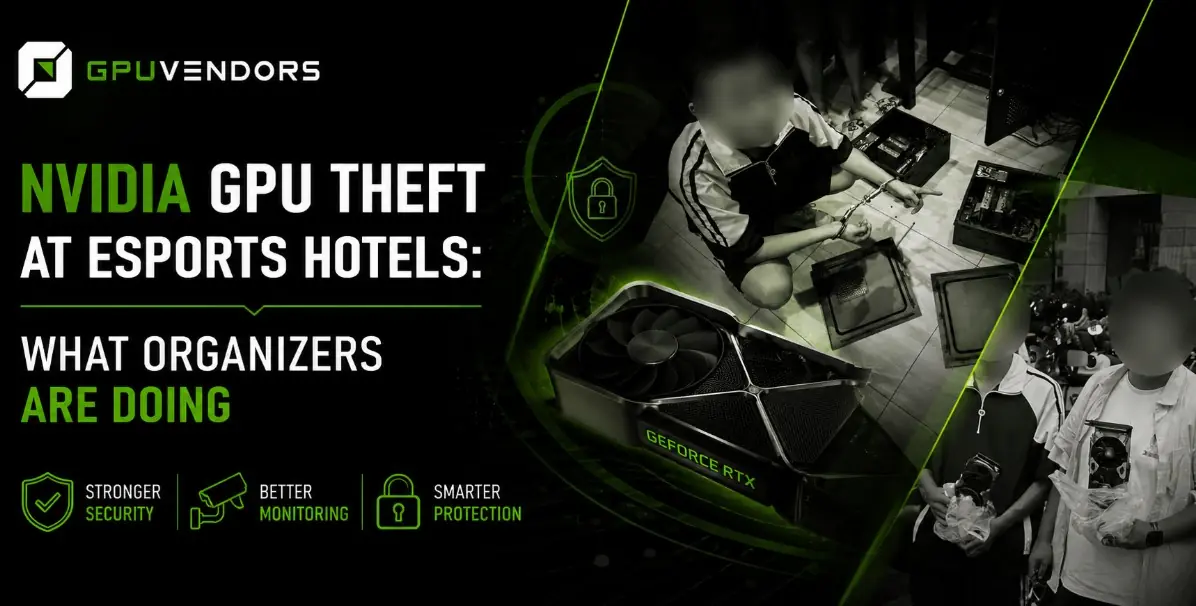
The rapid advancement of graphics technology has turned gaming PCs into high-value targets, and recent events at esports hotels have highlighted a disturbing trend: targeted GPU theft. In a sophisticated series of heists, thieves in China bypassed hotel security by swapping high-end NVIDIA RTX 5080 graphics cards for lower-tier RTX 3060 models inside rented rooms. These rogue downgrades went unnoticed for days, as the systems remained functional, until an unexpected power outage and subsequent inspections revealed a $12,000 criminal enterprise.
As hardware prices continue to rise, these incidents serve as a stark reminder of the physical security risks facing venues that house high-performance computing assets. For venue organizers and individual enthusiasts alike, understanding how this theft occurred and what measures are being implemented to prevent future incidents is essential.
How the Heist Unfolded: A Lesson in Physical Security
The modus operandi of these thieves relied on the subtle nature of the swap. By targeting rooms equipped with premium RTX 5080 and RTX 5070 rigs, the perpetrators acted as legitimate guests. Once inside, they gained access to the PC cases, performed the swap, and carefully closed the chassis to avoid immediate detection. Because the replacement RTX 3060 cards were functional, the gaming systems continued to operate, allowing the thieves to check out and disappear before management realized the hardware had been compromised.
The incident only came to light when an electrician noticed pry marks on the PC cases following a local power outage. This case highlights a major vulnerability in public-facing gaming environments: physical accessibility to the core components of the rig.
How Esports Venues are Strengthening Security
Following these high-profile thefts, esports hotels and similar venues are adopting more stringent physical security protocols to protect their hardware investments. Organizers are now focusing on a multi-layered approach to ensure that high-performance GPUs remain safe.
1. Hardened Chassis and Tamper-Evident Seals
Many venues are moving away from traditional, easy-to-open PC cases. New standards include reinforced chassis designs that require proprietary tools for access. Furthermore, organizers are applying tamper-evident seals to the screws and panels of the PC cases. If these seals are broken, management knows immediately that the hardware has been compromised.
2. Enhanced Surveillance and Rig Monitoring
In addition to traditional lobby security, venues are increasingly installing internal sensors and logging software that monitors hardware inventory. By continuously verifying the hardware ID of the GPU installed in each system, management can be alerted in real time if a card is disconnected or swapped. If a system is tampered with, the software alerts the front desk immediately.
3. Physical Anchoring and Internal Locks
To make hardware extraction more difficult, many hotels are physically anchoring their PCs to desks and using internal locking mechanisms that prevent the side panels from being removed without an authorized security key. This adds a significant layer of difficulty for anyone attempting to modify the rig.
Protecting Your Personal Hardware Investment
While esports hotels are tightening their security, individual PC builders also face risks when sourcing high-end hardware. The secondhand market is currently flooded with components of varying quality, and it has become more important than ever to verify the authenticity of your purchase.
Whether you are building a workstation or upgrading a gaming rig, you should never leave your hardware sourcing to chance. Comparing different models and understanding their physical specifications is a critical step in the buying process. A professional
When you are ready to secure authenticated, high-performance graphics hardware with transparent pricing and verified supplier standards, explore live inventory on the
The Future of Hardware Security
The heist of $12,000 worth of GPUs is a significant wake-up call for the esports industry. As GPUs continue to increase in value and demand, the physical security of these components must evolve alongside the technology they represent. By implementing tamper-resistant designs and proactive monitoring, venues can protect their assets from opportunistic theft. For the rest of the community, these events underscore the necessity of verifying hardware sources and prioritizing security in every step of the computing lifecycle. Protecting your rig begins with understanding the risks, sourcing from reputable marketplaces, and maintaining a vigilant eye on your investment.